How to Choose the Perfect Racket Tension for Your Game?

Mastering tennis requires more than just skill; the right equipment makes all the difference. One key factor often overlooked? Racket tension. It impacts your game in subtle yet profound ways. Whether you’re smashing serves or volleying at the net, understanding this could elevate your performance. Let’s explore how this seemingly simple choice influences your court success.

Understanding racket tension

Racket tension refers to the tightness of the strings in your racket, affecting power and control. Higher tension offers greater control, while lower tension enhances power. Understanding this balance is crucial for optimising performance. String tension influences your ball spin and shot accuracy. Choosing the right tension requires considering your playing style and skill level. Experimenting with various tensions helps find the best fit for your game.

What is racket tension?

Racket tension refers to the force applied to the strings during stringing. Measured in pounds or kilograms, it affects power and control. Higher tension offers more control but less power. Lower tension provides more power but less control. Finding the right balance enhances performance on the court.

How racket tension affects your game

Racket tension significantly influences your game. High tension offers greater control and precision, ideal for aggressive players. Low tension provides more power and a softer feel, suiting those who prefer baseline play. Balancing tension enhances performance, accommodating individual playing styles and improving court results.

Factors influencing racket tension choice

Several factors affect the choice of racket tension. A player’s skill level determines control and power needs, influencing tension preference. Playing style, whether aggressive or defensive, also plays a crucial role. Environmental conditions like humidity and temperature necessitate tension adjustments. Understanding these elements helps in selecting the perfect tension for enhanced performance on the court.

Player skill level and racket tension

The skill level of a player significantly impacts the choice of racket tension. Beginners often benefit from lower tension, while advanced players might prefer higher tension for control. Consider the following:

  • Beginners: lower tension for more power
  • Intermediate: moderate tension for balance
  • Advanced: higher tension for precision

Selecting the correct tension based on skill level enhances performance and enjoyment on the court. Incorporating essential tennis equipment like a well-chosen racket can elevate your game further.

Playing style and tension preferences

Your playing style significantly influences your tension preferences. Aggressive baseliners often favour lower tension for enhanced power and spin. Conversely, players who rely on precision and control may opt for higher tension. Serve-and-volley enthusiasts might prefer a balanced tension for optimal manoeuvrability. Understanding your style helps tailor the racket to your needs. Experimenting with various tensions can refine your game, ensuring your equipment complements your strengths on the court.

Environmental conditions and tension adjustment

Environmental conditions influence your racket tension. Temperature and humidity affect string elasticity. Consider these adjustments:

  • Increase tension in hot weather for control.
  • Decrease tension in cold conditions for power.
  • Adjust for humidity by tightening strings.

When selecting equipment, choosing the ideal tennis shoes ensures optimal movement and grip on different court surfaces.

Steps to determine your ideal racket tension

Experimenting with various string tensions assists in finding the right balance for your playing style. Testing different tensions during practice sessions helps identify what suits your game. Consulting a tennis coach offers valuable insights. This process leads to finding the perfect racket for optimal performance.

Experimenting with different tensions

To find your ideal racket tension, try various tensions by stringing your racket at differing levels. Begin with a mid-range tension and adjust in small increments. Lower tensions offer more power and comfort, while higher tensions provide greater control and spin. Testing these variations helps identify what complements your playing style. Consider factors like power, control, and feel when experimenting. Track your performance and note any changes in your gameplay. This method aids in discovering the perfect balance for enhancing your tennis skills.

Consulting with a tennis professional

  1. Discuss your playing style with the professional.
  2. Share your current racket tension and performance feedback.
  3. Request tension recommendations based on their expertise.

Consulting a tennis professional helps tailor your racket tension to your unique needs. Their insights ensure optimal performance on court. Additionally, integrating expert serve techniques can further enhance your game strategy and execution.

Adjusting racket tension for different situations

Adjusting your racket tension for various situations enhances your performance. Consider these factors:

  • Hard courts: Lower tension for more power and comfort.
  • Clay courts: Higher tension for better control.
  • Grass courts: Moderate tension for balanced play.
  • Cold weather: Slightly lower tension for flexibility.
  • Hot weather: Increase tension to counteract string looseness.

Changing tension for different court surfaces

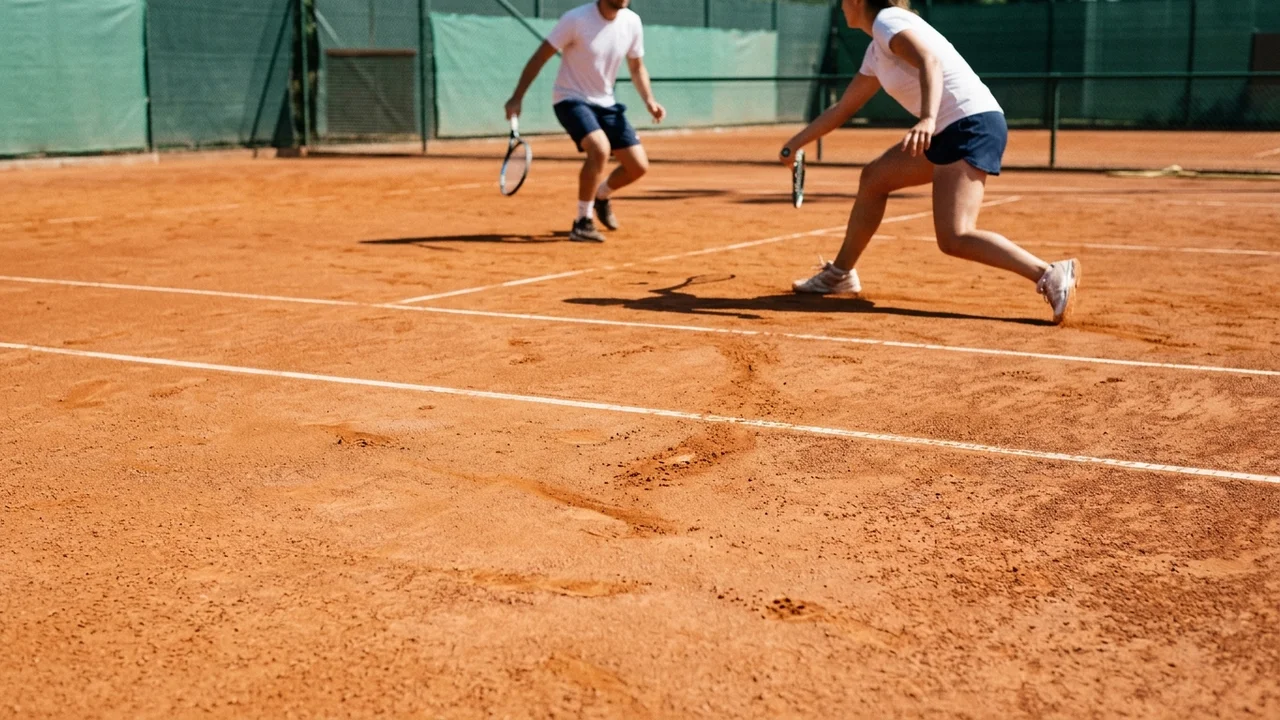
Different court surfaces require specific tension adjustments for optimal play. On clay courts, lower tension offers more control and spin. Hard courts benefit from medium tension for balance between power and precision. Grass courts, with their fast pace, often need higher tension to enhance control. Assess the surface before each match, adjusting your racket to match the court characteristics and maximise performance.

Seasonal adjustments for optimal performance

Adjusting your racket tension seasonally ensures optimal performance. In cooler months, strings contract, increasing tension. Warmer conditions cause expansion, lowering tension. Consider these adjustments:

  • Reduce tension by 2-3 lbs in winter
  • Increase tension by 2-3 lbs in summer
  • Consider humidity impact
  • Evaluate string material behaviour

These adjustments help maintain control and power balance.

Maintaining your racket’s tension

Regularly inspect your racket’s strings for signs of wear, such as fraying or loss of elasticity. Use a tension gauge to monitor string tension and ensure it aligns with your playing preferences. Adjust tension periodically to maintain optimal performance, especially after extended play or significant temperature changes. Seek professional stringing services when needed to preserve string integrity. Understanding when strings need replacing can prevent unexpected issues during matches. Prioritising regular maintenance extends the lifespan of your racket and enhances overall playability.

Regular checks and adjustments

Regularly checking your racket’s tension ensures optimal performance on the court. Consistent adjustments can greatly enhance your game. Follow these steps:

  • Inspect string tension every month for consistency.
  • Listen for changes in sound when hitting the ball.
  • Adjust tension before tournaments or after restringing.

Signs your tension needs changing

Recognising when racket tension requires adjustment ensures optimal performance. If experiencing inconsistent shots or discomfort, tension changes might be necessary. Here are key signs:

  • Lack of control or power during play.
  • Increased string movement or frequent re-alignment.
  • Unusual vibrations affecting comfort.
  • Noticeable wear or fraying on strings.

Address these issues promptly. Adjusting tension can enhance game consistency and comfort. Consult a professional if unsure about the best adjustments for your playing style.

Common Questions

What is the ideal racket tension for beginners?

Beginners should start with a lower tension, around 50-54 lbs, for more power and a larger sweet spot.

How does racket tension affect spin generation?

Lower tension allows for more string movement, enhancing spin. Higher tension offers control but less spin potential.

Can weather conditions impact racket tension?

Yes, humidity and temperature can affect string elasticity. Adjust tension to compensate for environmental changes.

Should different playing surfaces influence my tension choice?

Absolutely. Hard courts may benefit from higher tension for control, while clay courts might require lower tension for power.

How often should I check my racket’s tension?

Regular checks every few matches are essential. Strings lose tension over time, affecting performance.

Recent Posts

Your trusted source for tennis tips, gear reviews, and expert advice—built by players, for every level of player.

© 2025 All Rights Reserved.